
The Most Civil Room
in Chelsea.
What was there. What replaced it. What that tells you.
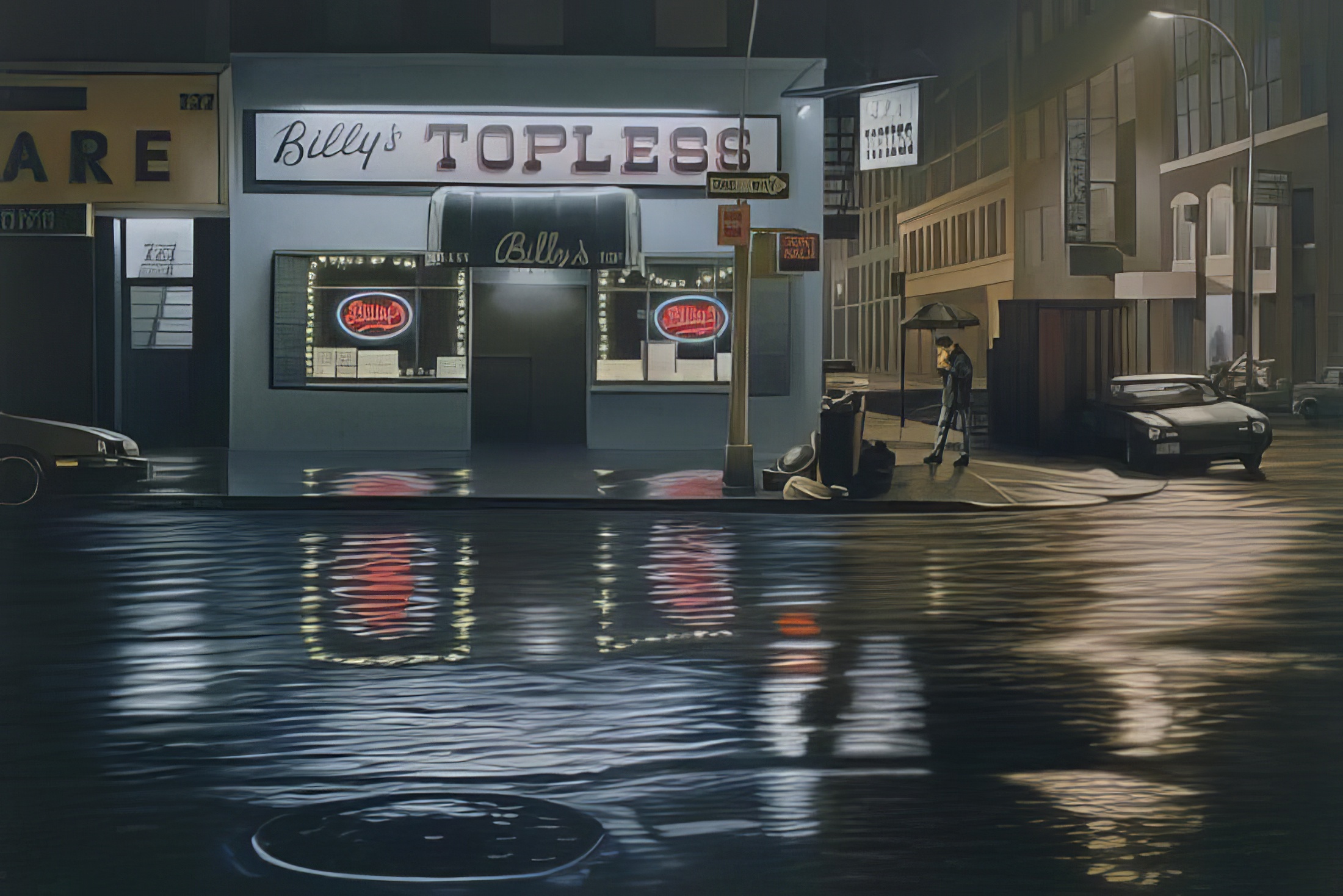
For thirty-one years, on a block of Sixth Avenue in Chelsea that nobody would ever describe as glamorous, there was a bar called Billy’s Topless that did something no zoning law or quality-of-life campaign could ever replicate: it was honest. Not honest in the way that restaurants claim to serve “honest food” or boutique hotels promise an “honest experience” — honest in the way that a place can only be honest when it has stopped trying to be anything other than exactly what it is.
Billy’s Topless was a bar where women danced without their shirts on, and where the cover charge was zero dollars, and where a beer cost four bucks, and where nobody — not the dancers, not the bartenders, not the regulars nursing their drinks at two in the afternoon — was pretending that any of this was something it wasn’t.
The atmosphere was warm in the way that only a place with no pretensions can be warm. Billy’s had a free buffet that nobody touched. It had dancers who ranged from stunning to ordinary to the kind of faces Diane Arbus would have wanted to photograph, which is to say it had the full spectrum of human beauty rather than the narrow, surgically curated version being sold at the midtown clubs.
“Honest in the way that a place can only be honest when it has stopped trying to be anything other than exactly what it is.”
Milton Anthony, who owned the place, forbade breast implants. He forbade lap dances. He forbade touching the dancers. This was not a gentleman’s club in the Scores sense of the term, where Wall Street money bought manufactured proximity to manufactured bodies. This was a neighborhood bar where some of the women happened to be topless, and the distinction — which sounds academic until you’ve experienced both — was everything.
The dancers were students. They were artists. They were mothers making rent. They were women who chose to work at Billy’s specifically because Billy’s let them work with dignity — no drink hustles, no pressure to sit with customers, no obligation to perform intimacy for tips.
They talked to the regulars because they wanted to, not because the house demanded it, and the conversations that emerged were sometimes genuinely good. There’s a story, possibly apocryphal but spiritually true regardless, about a regular and a dancer getting into a long, sincere discussion about Joy Division. This is not the kind of thing that happens at Scores. This is not the kind of thing that happens at most bars, period.
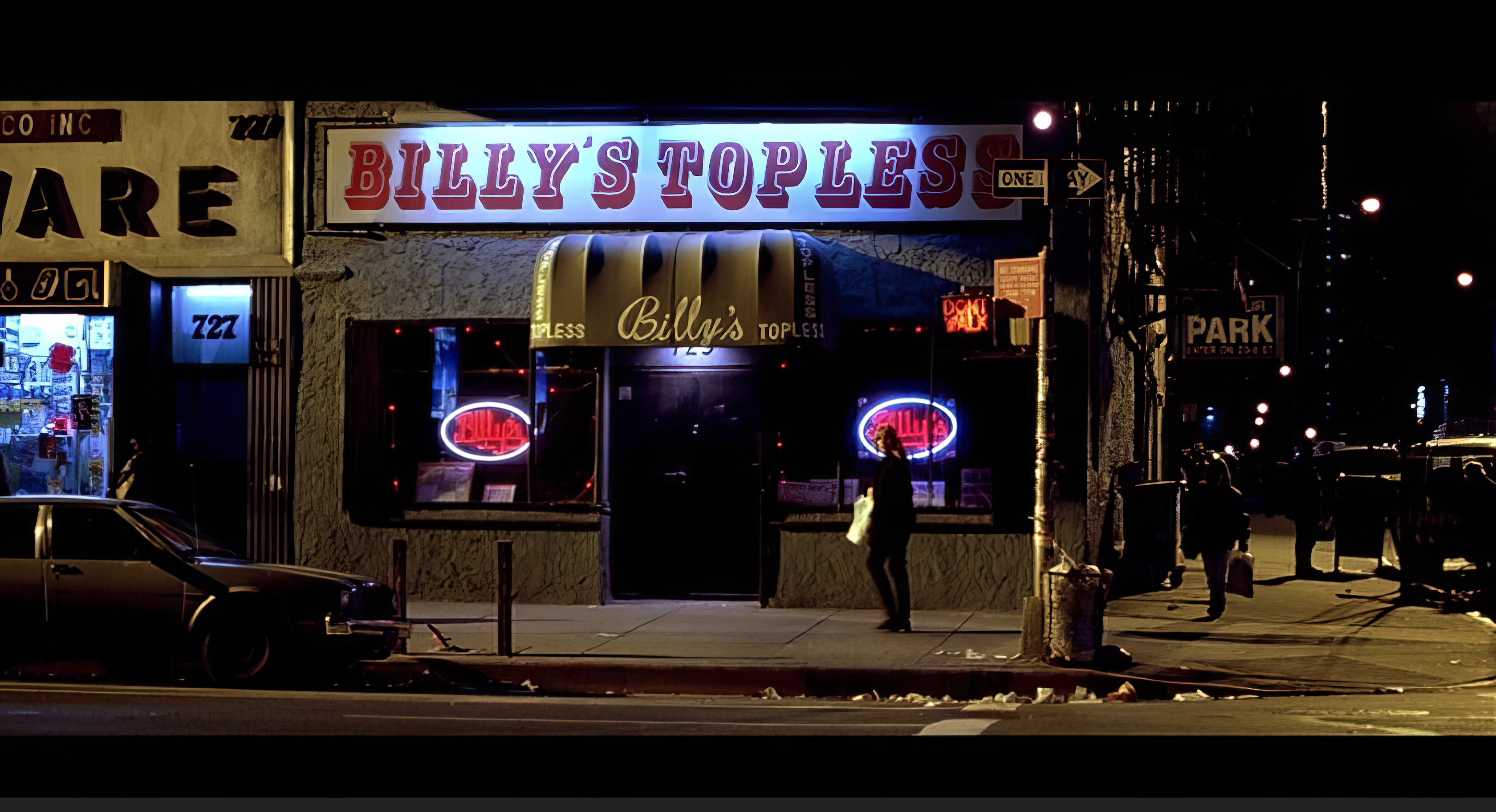
It happened at Billy’s because the economics of the place — no cover, cheap drinks, no hustle — created a space where people could actually be people, which is rarer than it sounds and getting rarer all the time.
One patron described the experience as no more illicit than going out for hamburgers. This is exactly right, and it’s also exactly the kind of sentence that would have made Rudy Giuliani’s head explode.
In the late 1990s, Giuliani’s “quality of life” campaign descended on New York’s sex-related businesses with the focused energy of a man who believed that the city’s character was a problem to be solved.
“No more illicit than going out for hamburgers.”
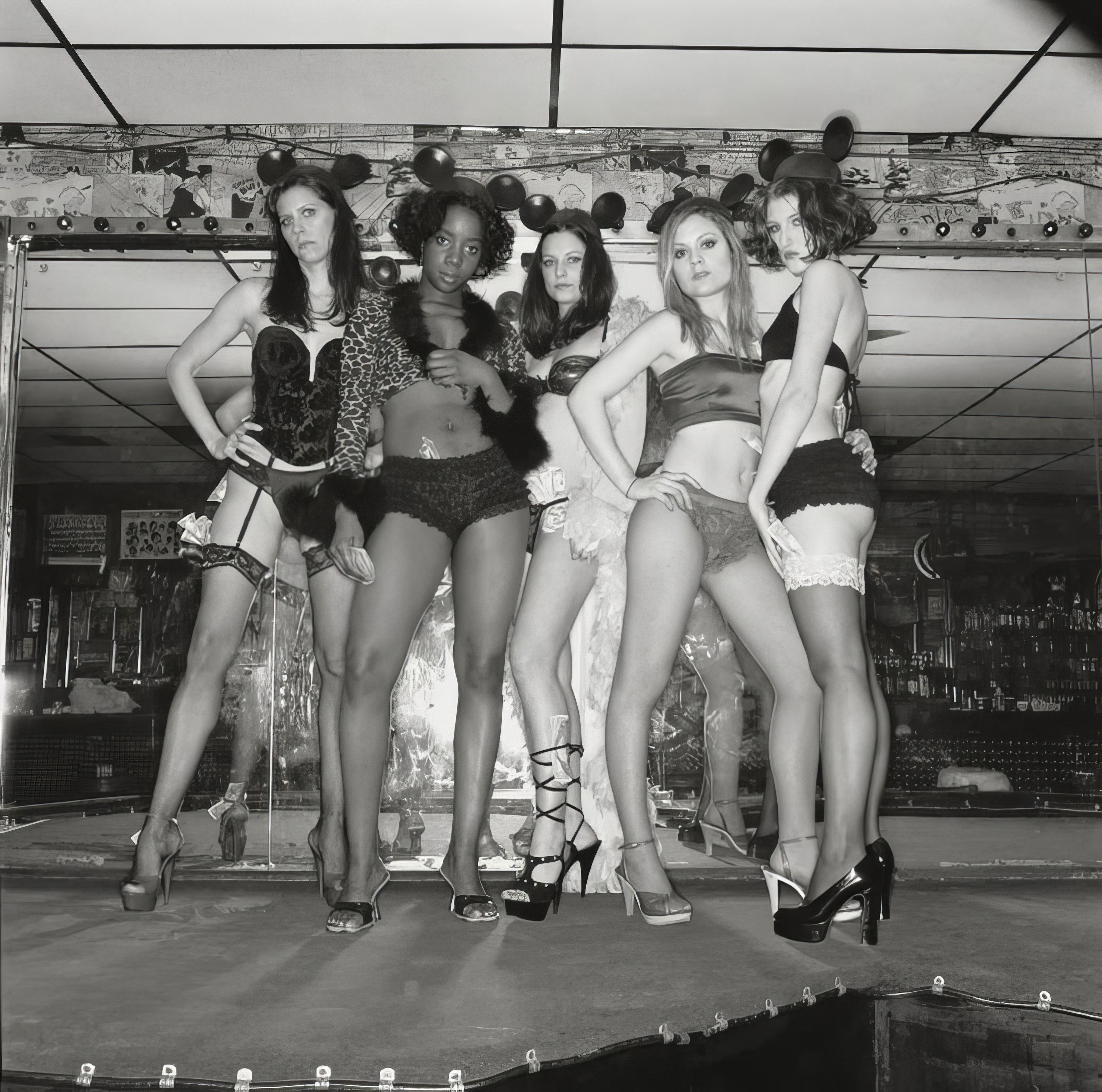
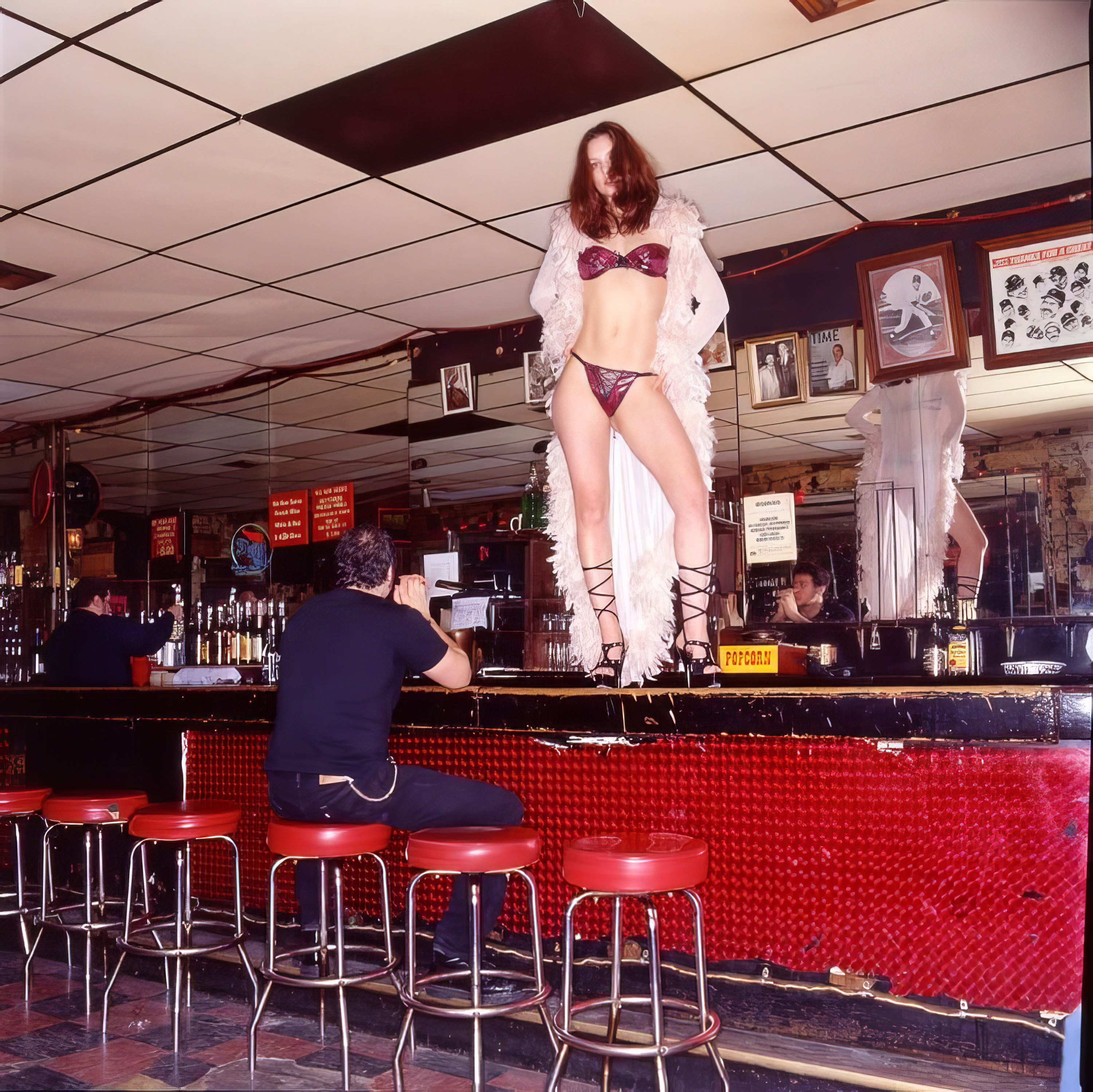
New zoning laws prohibited establishments like Billy’s from operating within 500 feet of residences, schools, or places of worship — a radius that, in Manhattan, effectively meant nowhere. The logic was that these places attracted crime and depressed property values and degraded the moral fabric of the neighborhood, which in Billy’s case was nonsense on every count, but the law is not required to be accurate, only enforceable.
Billy’s Topless became Billy Stopless, a piece of wordplay so sad and so defiant and so perfectly New York that it deserves its own monument. The dancers put on bikini tops. The regulars came in and drank their four-dollar beers and looked at the bikini tops and understood that something essential had been taken away, not the nudity exactly but the honesty that the nudity represented — the agreement between everyone in the room that this was what it was and that was fine.
It wasn’t fine, according to the city. Billy’s closed for good in 2001. The space became a bagel shop, which is the kind of detail that a novelist would reject as too on-the-nose. A place where New Yorkers went to experience a small, harmless, affordable slice of freedom was replaced by a place where New Yorkers went to buy a six-dollar bagel, and if that doesn’t tell you everything about what happened to the city in the first decade of the twenty-first century, nothing will.
The people who mourn Billy’s — and there are more of them than you’d expect, and they are not all men, and they are not all nostalgists — are not mourning a strip club. They are mourning a version of New York that had room for a place like Billy’s, a city that understood the difference between vice and harm, between sleaze and danger, between a topless bar in Chelsea and an actual problem.
“A city without character is a suburb with better transit.”
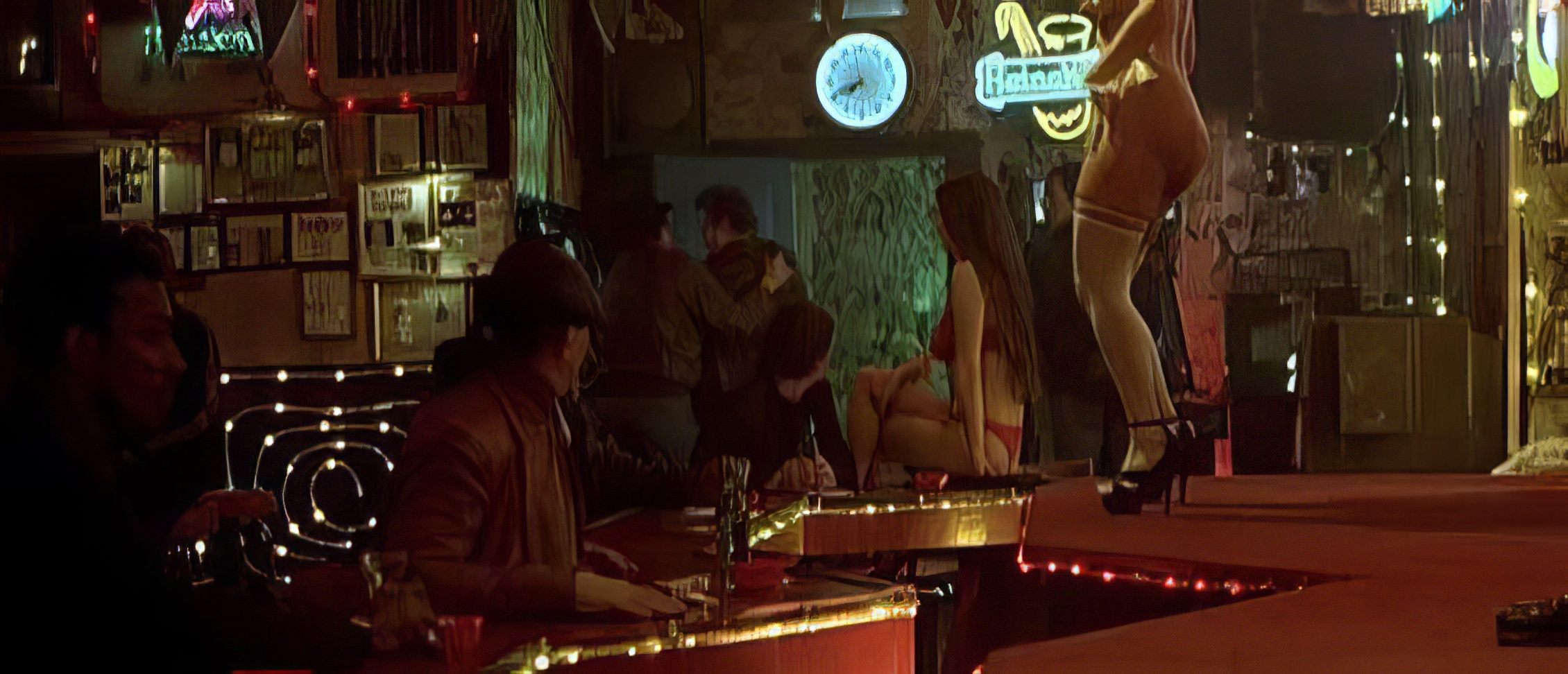
That city made space for weirdness and mess and the full complicated range of human desire, not because it approved of all of it but because it recognized that a city without mess is a city without character, and a city without character is a suburb with better transit.
Billy’s Topless was not important. That’s what made it important. It was a small, unpretentious, slightly disreputable bar on Sixth Avenue where nobody got hurt and everybody knew the rules and the beer was cheap and the dancers were real and the conversations were sometimes, unexpectedly, about Joy Division.
The fact that it no longer exists, that it could no longer exist, that the New York of today would not permit it to exist, is not an argument for bringing it back. It’s an observation about what was lost, and whether anyone noticed, and whether noticing even matters anymore in a city that has decided that clean and expensive and boring is the same thing as good.
— Fin. —
- · “Inside Billy’s Topless” — Ralph Gardner, Penthouse, Aug 1997
- · “Topless, and Dancing on the Edge” — Dan Barry, NYT, Apr 1998
- · “Shuttered Clubs, Scrambled Lives” — Andrew Jacobs, NYT, Oct 1998
- · “Billy’s Topless Needs Your Support” — The Observer
- · “Hunting Publius — Back to Billy’s”, 2012
- · “Jeremiah’s Vanishing New York” — 2002
- · “Billy’s Topless” — Wikipedia
- · “Quality of Life?” — Tony Stamolis, 2013